Diffuse midline glioma (DMG), historically known as diffuse intrinsic pontine glioma (DIPG), is one of the most devastating forms of childhood brain cancer.
Despite decades of research, treatment options remain extremely limited. Researchers at Children’s Medical Research Institute (CMRI) are investigating this deadly childhood brain tumour from a different perspective, using proteomics to search for new clues that could lead to better treatments.
Genomic research has greatly advanced our understanding of cancer, including DIPG and DMG. But understanding the genetic changes driving these tumours has not yet resulted in enough effective treatment options for children.
CMRI researchers believe studying proteins could provide another piece of the puzzle.
Proteomics is the large-scale study of proteins, the molecules responsible for much of the activity within our cells. While genomics can reveal the genetic instructions within a cancer cell, proteomics can help show what is actually happening inside the tumour. The success of new therapies such as targeted drugs, CAR-T or vaccines will depend on the proteins that they attack being present in the tumour.
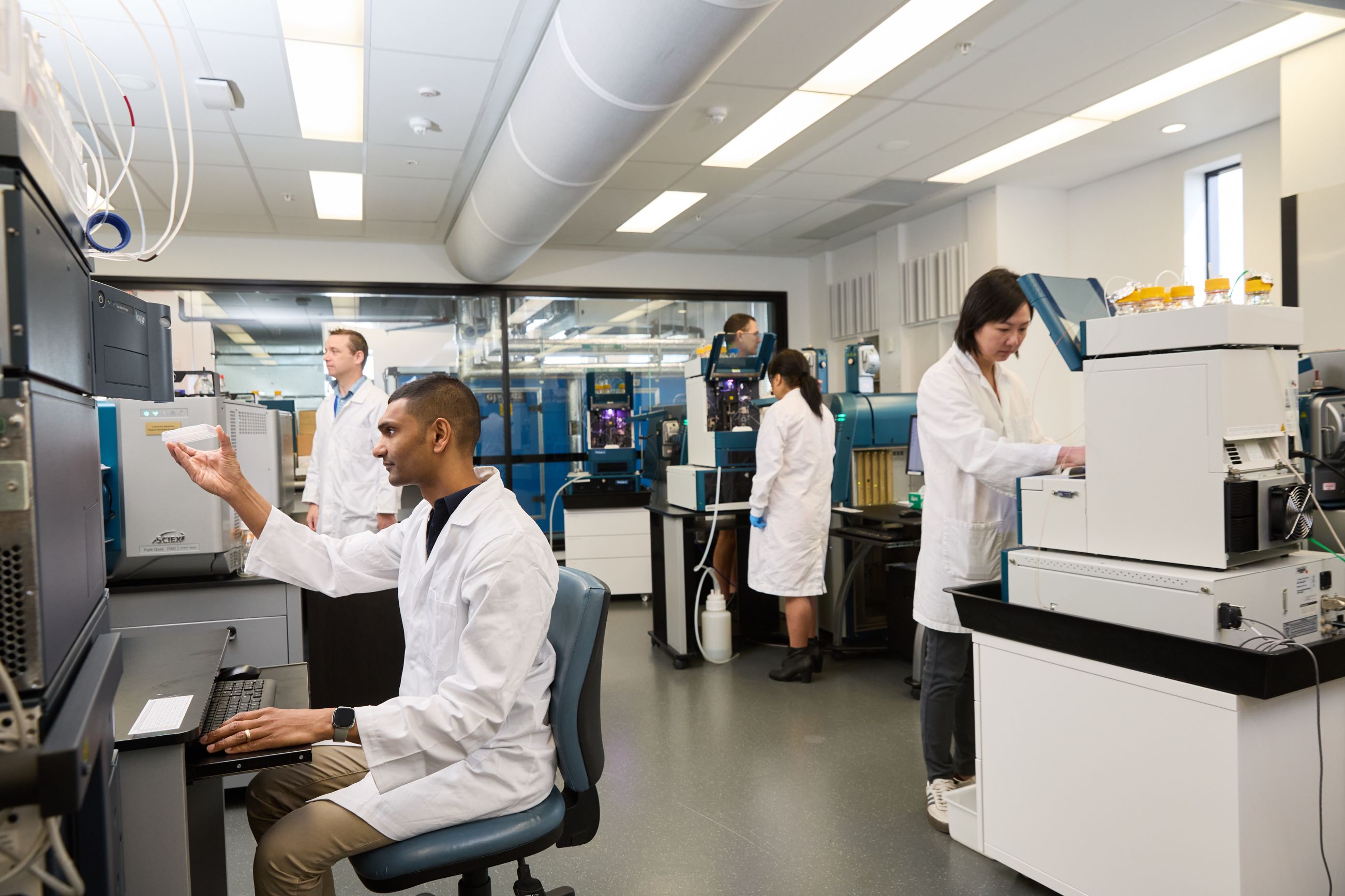
Through CMRI’s ProCan research program, scientists use advanced mass spectrometry to analyse thousands of proteins in cancer samples. Researchers are applying this expertise to DIPG and DMG, looking for patterns that could reveal how these cancers behave, why they resist treatment and where new vulnerabilities may exist.
The research brings together scientists in Australia, the United States and Switzerland. By combining proteomic information with existing knowledge about the genetics of DIPG and DMG, researchers hope to build a more complete picture of these cancers and identify new avenues for treatment.
Collaboration is particularly important for rare childhood cancers. With relatively small numbers of patients, researchers need to work across institutions and international borders to bring together the samples, data and expertise required to make progress.
But research of this scale requires significant resources, and further funding is urgently needed.
Families facing DIPG, DMG and other difficult-to-treat childhood cancers need new options.
You can help make this research possible. Donate today to support childhood cancer research at CMRI, or join the Great Cycle Challenge and raise funds to help find better treatments for kids with cancer.