A simple change to how researchers grow lab-based models of the human retina could make it faster and cheaper to test new gene therapies for inherited blindness.
The study, published in the journal Gene Therapy, focused on retinal organoids, tiny structures grown from stem cells in the lab that mimic the layered structure of the human retina. Because they closely resemble real human tissue, retinal organoids are a valuable tool for testing gene therapies for inherited retinal diseases, a group of conditions that cause progressive vision loss and currently have few treatment options.
One of the biggest obstacles researchers face when using these models is getting enough of the therapeutic gene delivery vehicle, a virus called AAV, into the organoid's cells to properly test whether a treatment works. Until now, achieving efficient delivery in these lab-grown tissues has typically required very high amounts of virus, which is costly, resource-intensive and can limit how many experiments a lab can run.
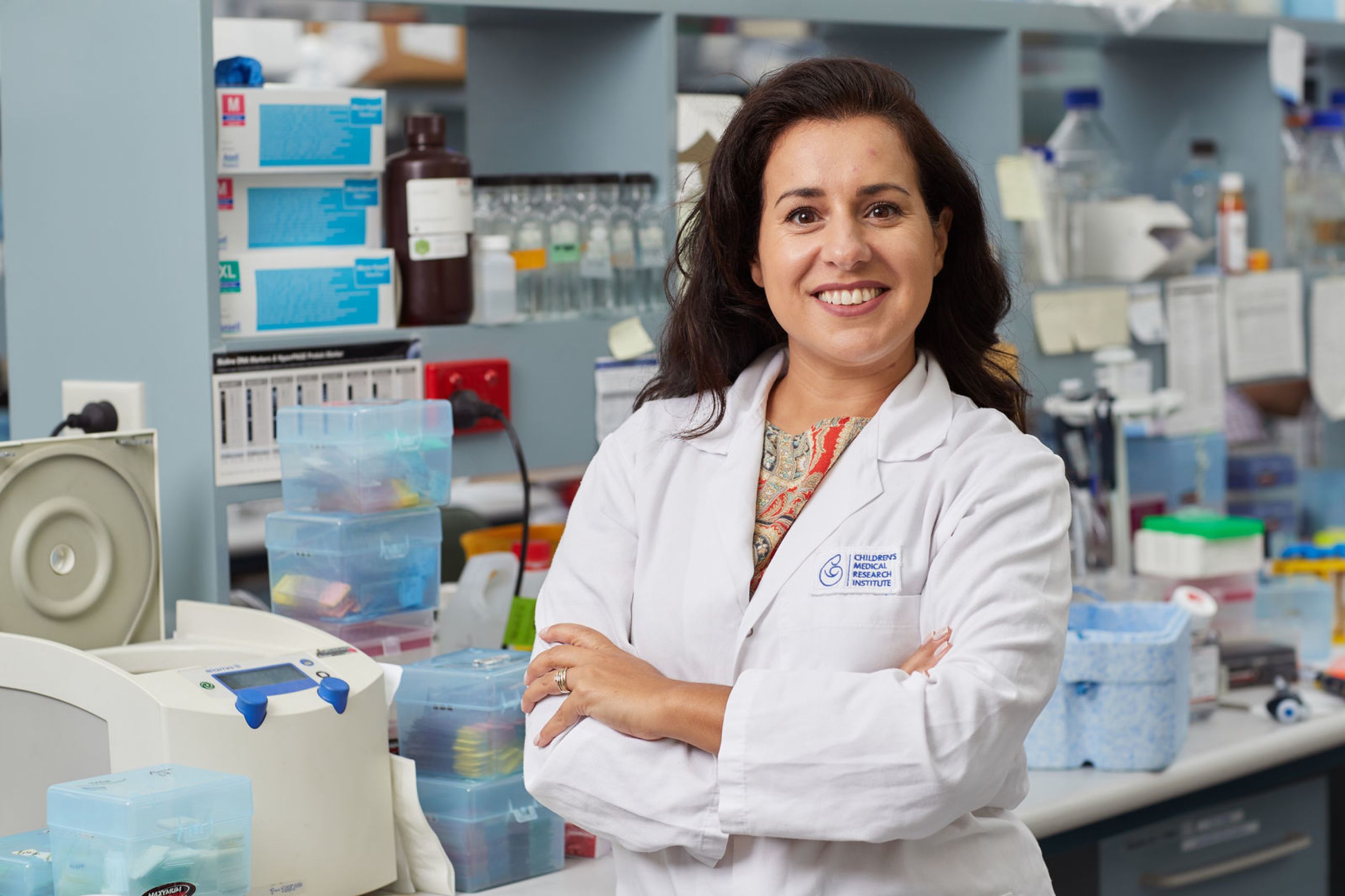
The research team, led by Associate Professor Anai Gonzalez-Cordero, found that simply growing the organoids in a different, already available culture solution called BrainPhys dramatically improved how well the gene delivery virus was taken up by cells. In some experiments, the proportion of successfully treated cells nearly doubled compared to the standard method.
The team also discovered that this change had a second, unexpected benefit. Retinal ganglion cells, a fragile but critical type of nerve cell in the retina that often dies off in lab-grown tissue over time, survived far better and in much greater numbers when organoids were grown in the new solution. These cells are essential for vision and are also relevant to conditions such as glaucoma, so preserving them makes the lab models more useful for a wider range of research.
Using detailed molecular analysis, the researchers found that the new culture solution appears to work by boosting the activity of proteins involved in how cells take up and process the virus, as well as supporting the cells' overall health and energy levels.
The findings offer a straightforward way for research teams around the world to improve the reliability of retinal organoid models, without needing to redesign the therapies themselves. This could help speed up the development and testing of gene therapies for inherited retinal diseases, bringing new treatments closer to the people who need them.