Children’s Medical Research Institute’s Head of Eye Genetics has been selected by the NSW Government to receive a $200,000 grant as part of their Non-Animal Technologies Network (NAT-Net) grant scheme for her work using organoids to study retinal disease.
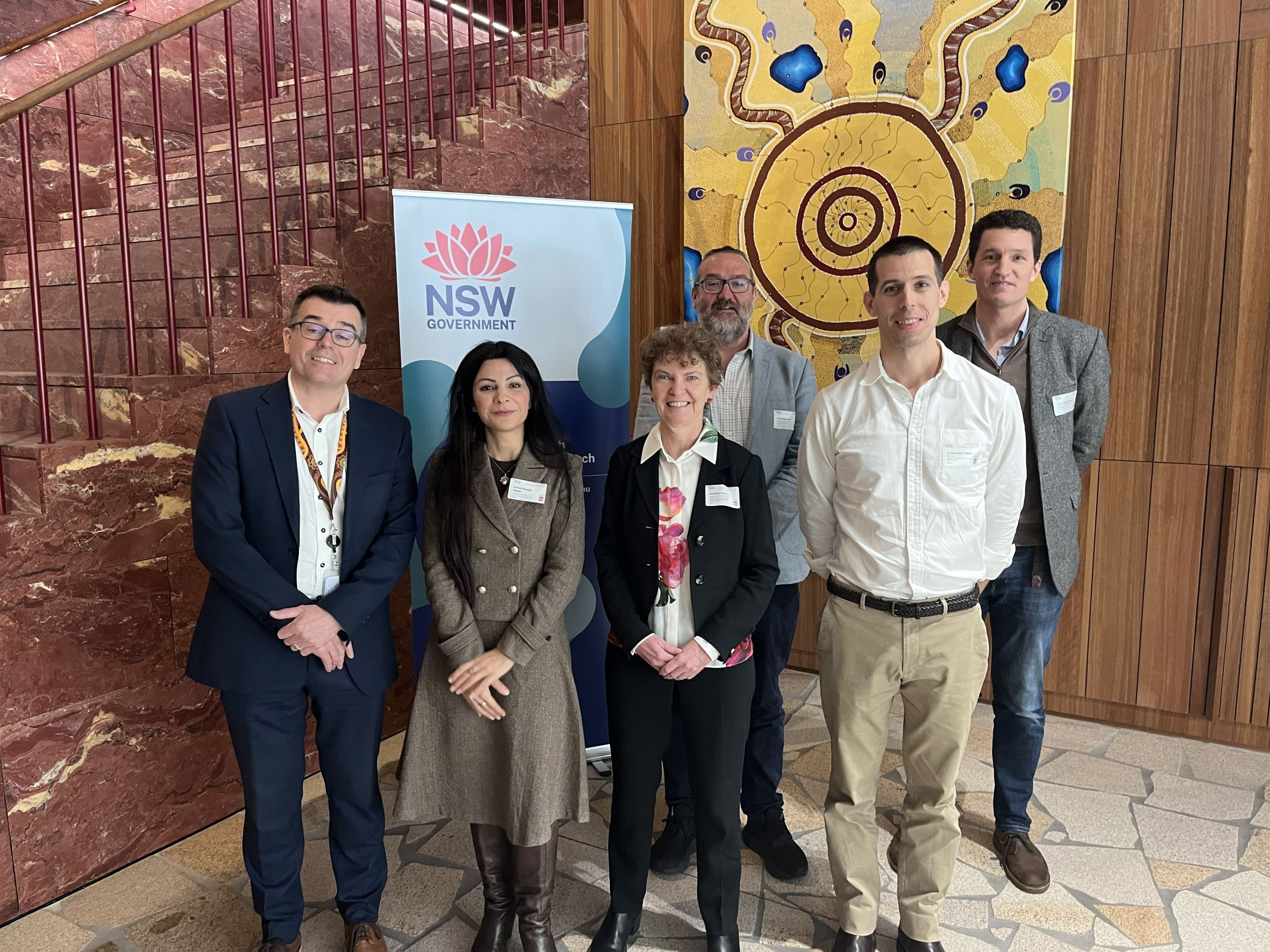
Professor Jamieson was announced as the grant recipient by NSW Health Deputy Secretary Clinical Innovation and Research Professor Jean-Frederic Levesque at the inaugural NAT-Net Vanguard Symposium on Monday.
Her work aims to use lab-grown patient tissues to identify which patients with inherited blindness are most likely to respond to gene therapy, paving the way for emerging treatments.
Organoids are also known as “laboratory-generated mini-organs’’. Small samples of skin or blood from patients are induced in the laboratory to “turn back” into stem cells which can then be directed to become cells of the eye and to then form mini-organ-like complexes, known as organoids.
Organoids offer a unique way to understand human biology, provide unlimited quantities of advanced model systems for research, and are a significant step toward increased use of non-animal models in medical research.
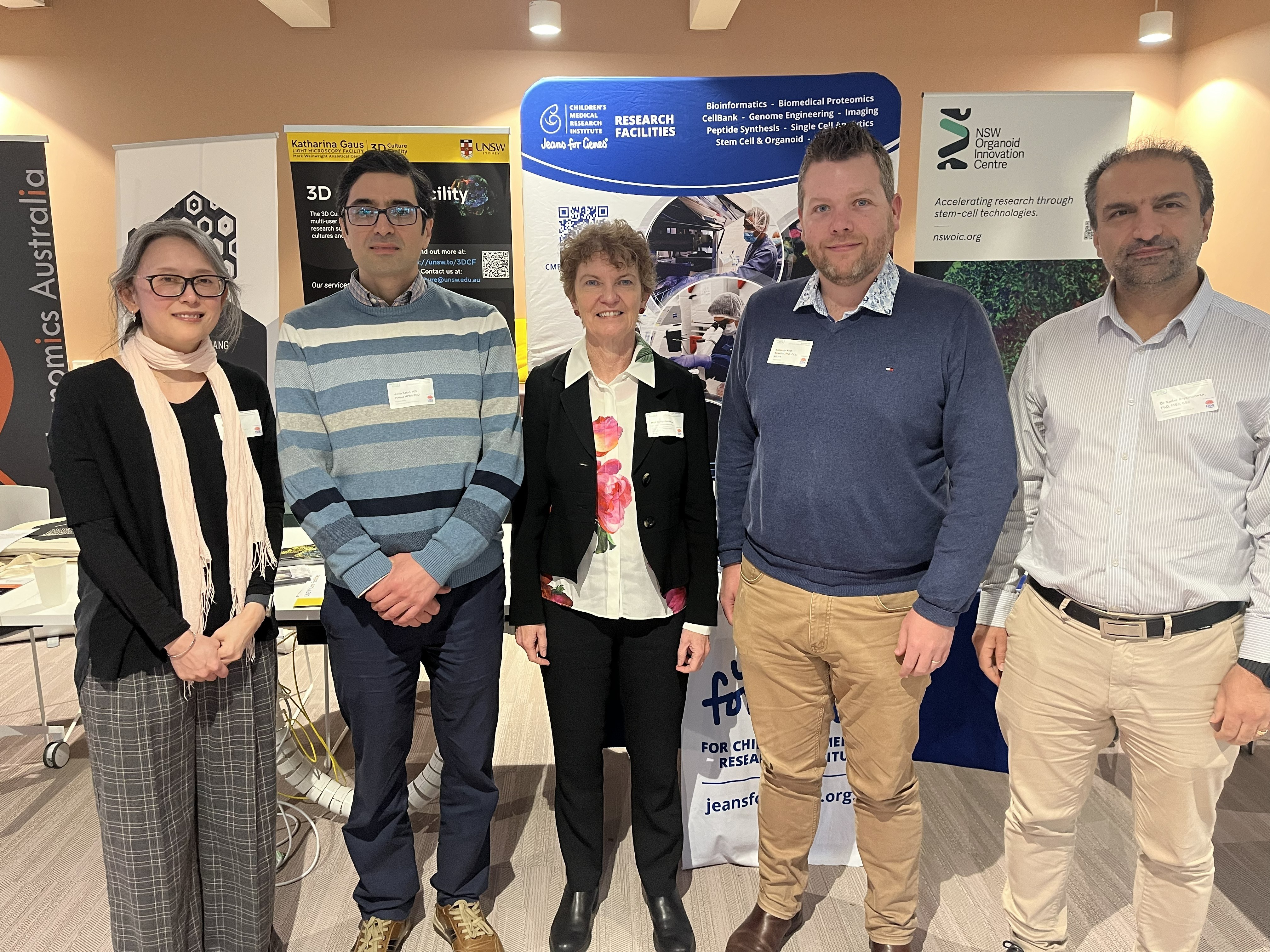
Minister for Medical Research David Harris said Prof Jamieson’s project was selected for the quality of her team's science, commitment to collaboration, and potential to transform medical research in NSW.
“The Non-Animal Technologies Network was established to ensure NSW researchers have what they need to deliver world-class science by making research more relevant to human biology. These grants put that promise into action.
“We are supporting NSW researchers to develop and use cutting-edge non-animal technologies that deliver more accurate insights into human health, transforming how we understand and treat disease and accelerating the path from discovery to real‑world impact.
Prof Jamieson said she was very grateful to NAT-Net for the funding which will make a real difference for patients with genetic eye conditions.
“For our research team, this grant provides a great opportunity to develop and apply the latest cutting edge and non-animal technologies to resolve genetic variants, fast-tracking diagnosis and access to therapies for people with blinding conditions of the eye.
“For the people affected with these conditions, the aim is for this to make a real difference to be able to reach a genetic diagnosis for people where this has not previously been possible, and opening pathways to clinical trials and therapies that were not previously available.''
Professor Jamieson's work is in collaboration with Sydney Children's Hospitals Network, University of Sydney and Sydney Eye Hospital.