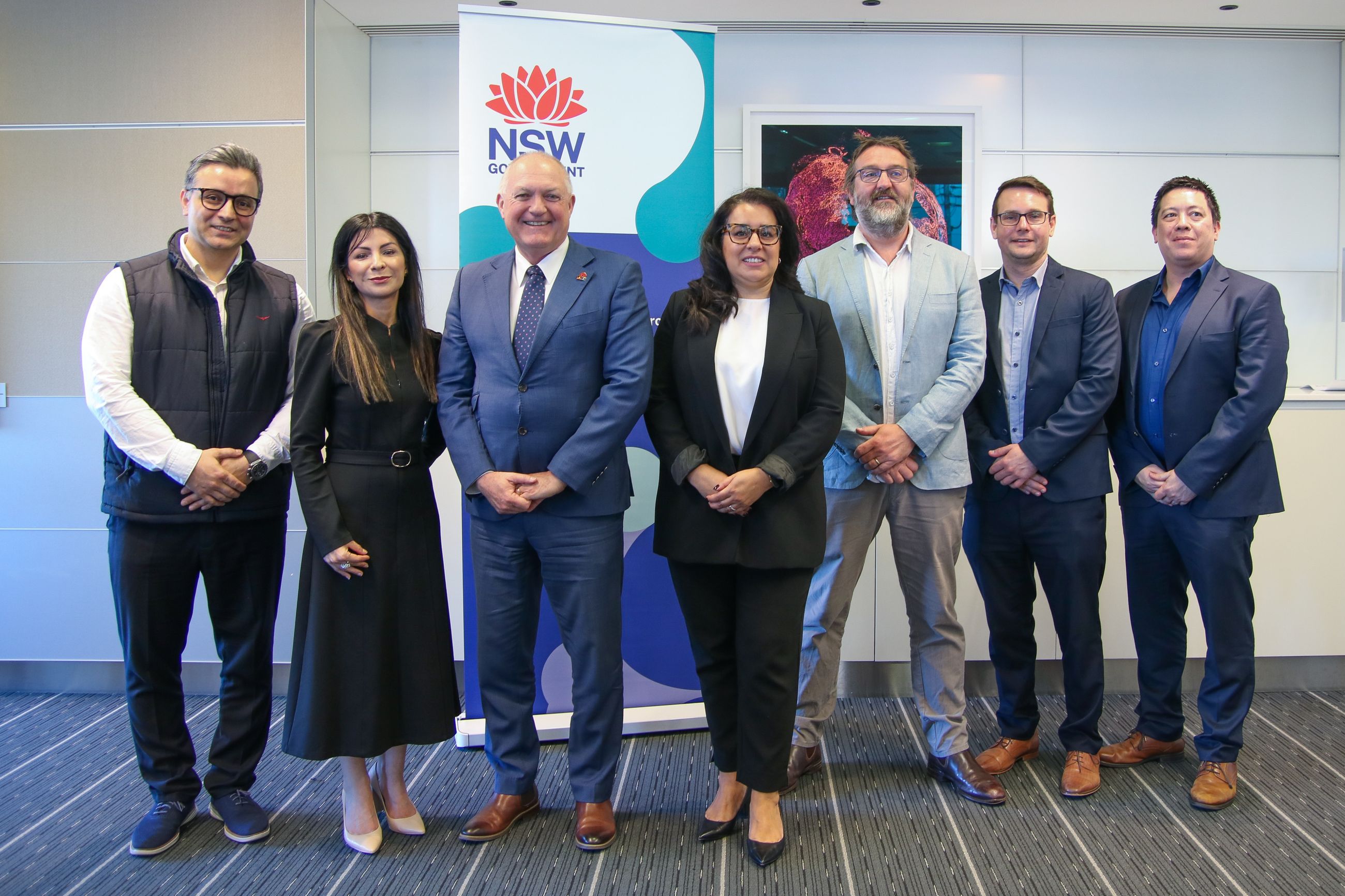
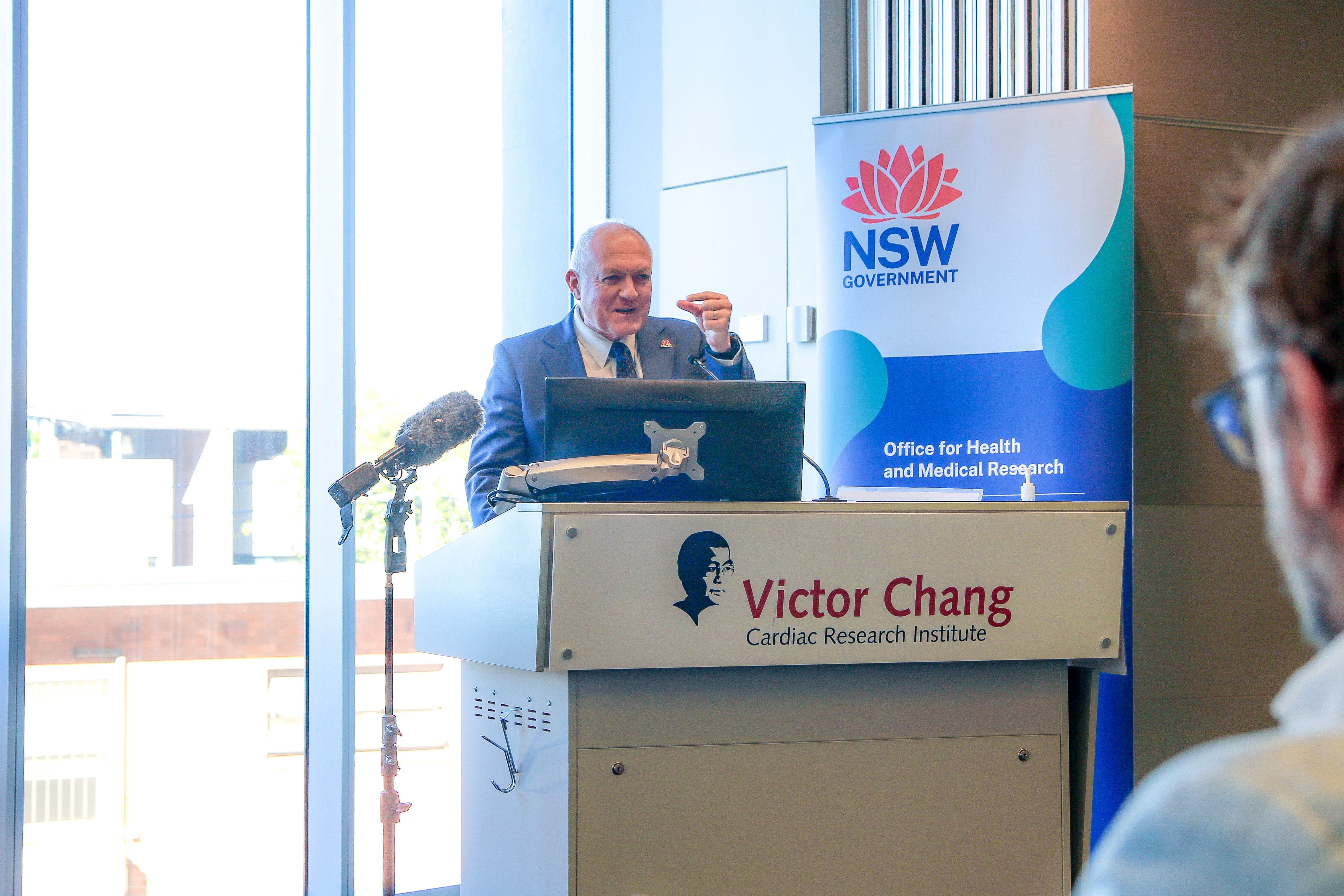
Children’s Medical Research Institute is pleased to highlight its key role in the NSW Government’s newly formed Non-Animal Technologies Network (NAT-Net), announced today by the Hon David Harris MP, Minister for Medical Research.
CMRI’s Stem Cell Medicine Group, led by Associate Professor Anai Gonzalez Cordero, is one of the eight founding partners of the Network (along with the University of NSW, University of Sydney, University of Technology Sydney, Victor Chang Cardiac Heart Institute, Hunter Medical Research Institute, University of Newcastle and University of Wollongong).
The aim of the new NAT-Net is to develop networking and resources for medical researchers to work on robust cell and computational technologies that move away from the necessity to use animals when testing therapies.
Associate Professor Gonzalez Cordero is a leader in the field of stem cells and organoids. And said it was fantastic to be a founding member of NAT-Net. Organoids are also known as “laboratory-generated mini-organs’’. Small samples of skin or blood from patients or healthy individuals are induced in the laboratory to “turn back” into stem cells (induced pluripotent stem cells (iPSCs), which can then be directed to become almost any type of cell (nerve, eye, inner ear, lung, kidney cells, etc), and to then form mini-organ-like complexes, known as organoids.
Organoids offer a unique way to understand human biology, provide unlimited quantities of advanced model systems for research, and are a significant step toward increased use of non-animal models in medical research.
Associate Professor Gonzalez Cordero said organoids allow researchers to test therapies in a system that is much closer to the human body than animal models. Her speciality area is the human eye.
“Lots of therapies fail in clinical trials because the testing is not optimal,’’ she said. “We are working to enhance organoids so that they offer better predictive models for disease.”
“It is very rewarding that the NSW Government is seeing the importance of developing these models – this is just the beginning of a very exciting time. It’s important for me to emphasise that this initiative will connect researchers across Australia and internationally.’’