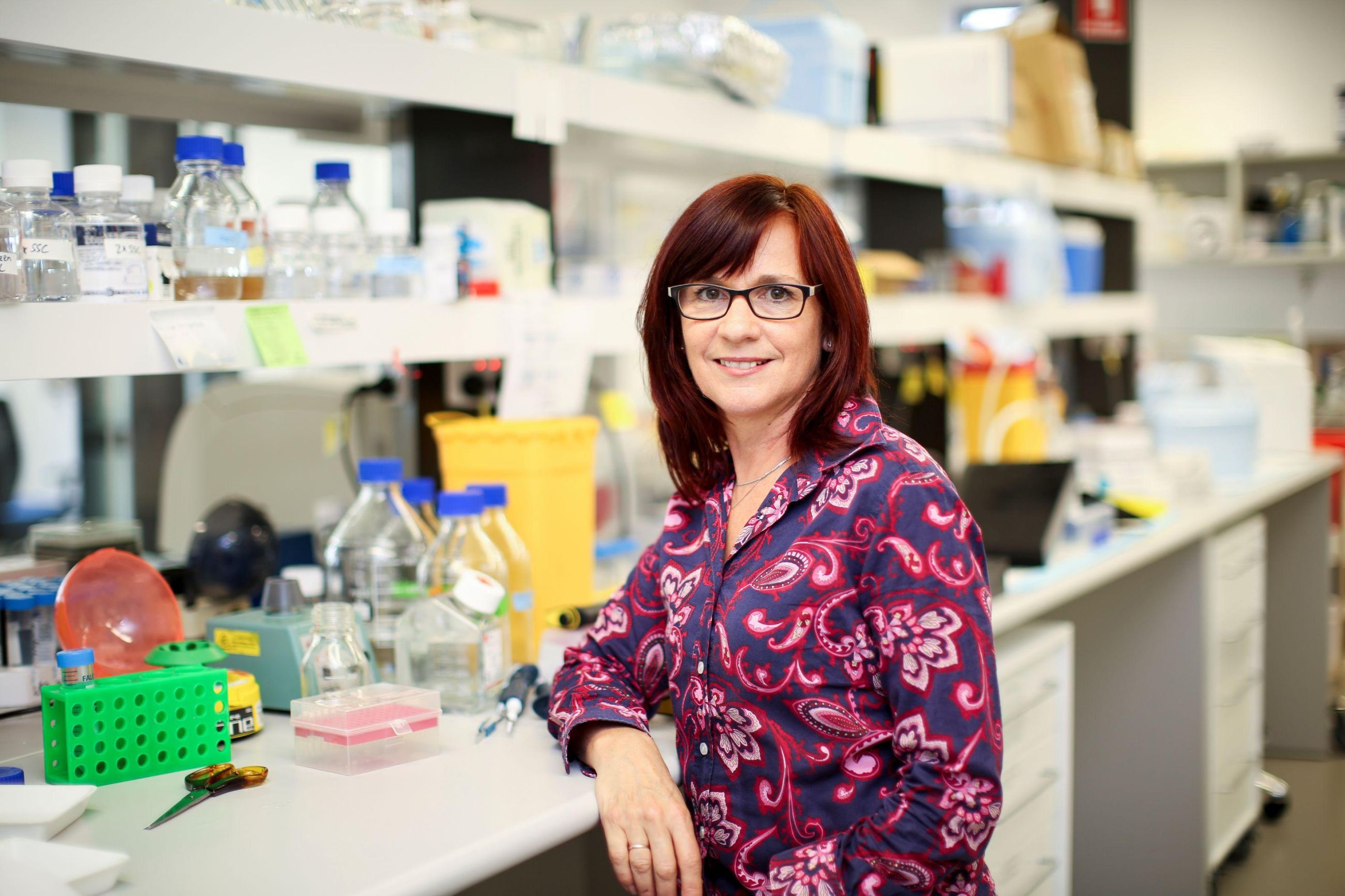
Scientists at Children’s Medical Research Institute (CMRI) have created a comprehensive new data resource that reveals how cancer cells keep replicating without limit - a discovery that could open the door to new ways of stopping cancer growth. The study, published today in Nature Communications, is the result of more than seven years of research led by CMRI’s Cancer Research Unit in partnership with ProCan®, other CMRI researchers, and the Wellcome Sanger Institute in Cambridge, UK.
The endless replication of cancer cells is enabled by changes relating to the protective ends of their chromosomes, called telomeres. In healthy cells, these telomeres gradually shorten, limiting how many times a cell can replicate. Most cancer cells break this rule. They find ways to avoid telomere shortening, allowing them to keep growing. Although this process is central to cancer development, its complexity across different cancers has been challenging to study.
To build a clearer picture, the CMRI team analysed 976 cancer cell lines representing more than 60 cancer types using a suite of cellular and molecular biology techniques. They measured key features of telomere biology and combined these findings with large genetic, proteomic and drug response datasets from CMRI’s ProCan facility, the Wellcome Sanger Institute and other international sources. The result is both a set of discoveries about the genes and proteins involved in telomere maintenance in cancer and new insights into treatment response, and also the most comprehensive data set to date, that will enable other researchers to make further discoveries.
Associate Professor Karen MacKenzie, who led the project, said the scale of the project required years of steady work and collaboration, “but the outcome is that by understanding the whole landscape of how cancers maintain their telomeres, we have a much better understanding of their vulnerabilities and how future cancer diagnostics and treatments may be developed”.
The study also highlights patterns that may help researchers predict how cancers respond to certain medicines, although more work will be needed before these findings can guide clinical care.
Associate Professor MacKenzie said the team hopes the new resource will provide lasting value for many other researchers.
“By making these data available to the scientific research community worldwide, we hope to provide the opportunity for many future discoveries,” she said. “The data set has already allowed us to make a series of discoveries, and by making all of the data publicly accessible to the international research community we hope to hasten the speed of research and international effort in generating new advances, and ultimately, to make a major difference for patients.”
Read the paper
Nature Communications: https://www.nature.com/article...
Why this matters
Understanding how cancers maintain their telomeres can help researchers identify new diagnostic approaches and potential therapeutic strategies. Resources of this scale support global efforts to improve long-term cancer outcomes.