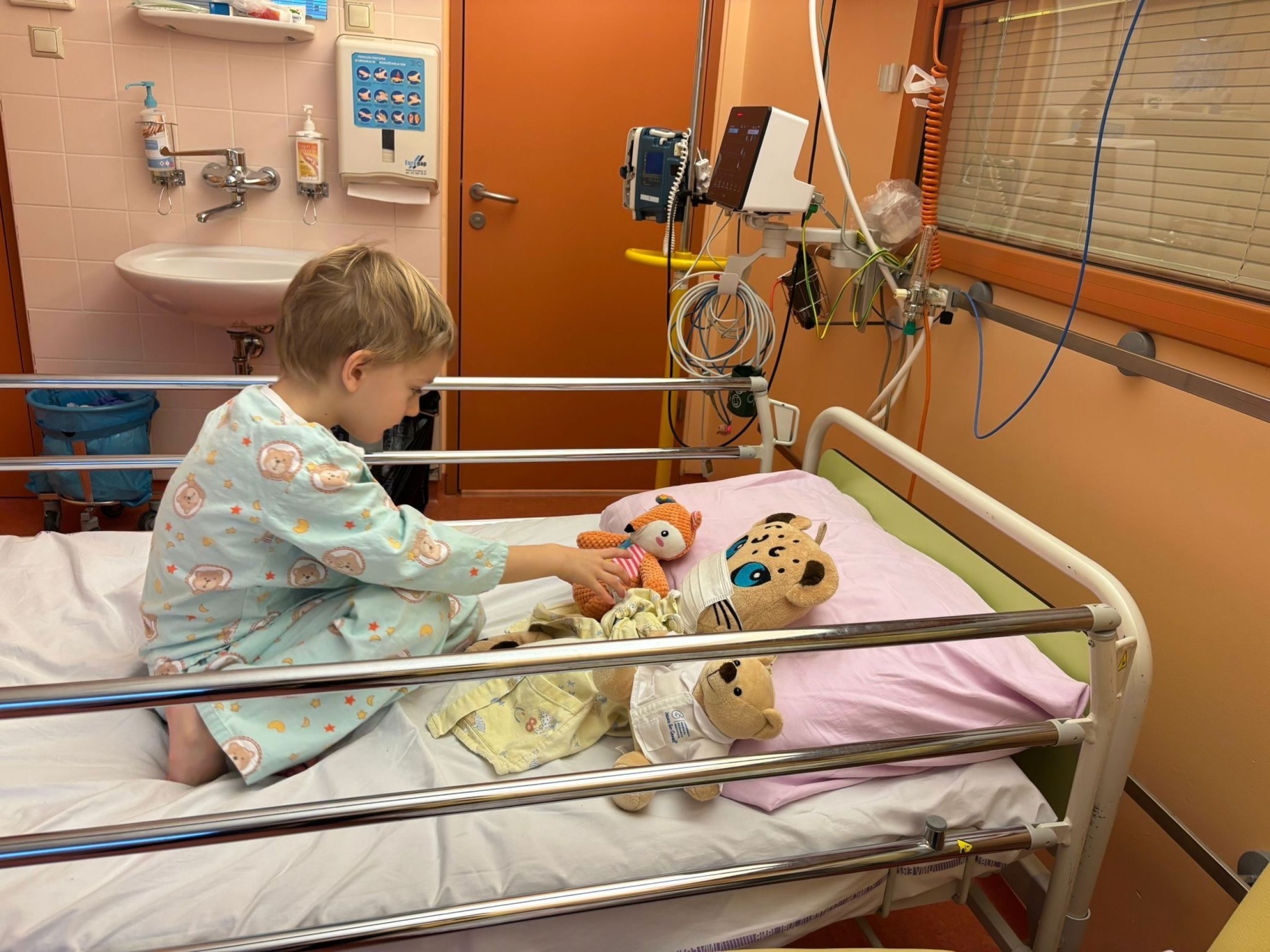
In an extraordinary world first, on December 10th 2025, a child has been treated in Slovenia in a gene therapy trial for CTNNB1 syndrome. Researchers at Children’s Medical Research Institute (CMRI), led by CMRI’s Professor Leszek Lisowski played an important role in early-stage research and development of this treatment. If successful, this treatment could bring hope for other rare conditions.
CTNNB1 syndrome is a rare genetic condition that occurs randomly and is not usually inherited from parents. It is a neurodevelopmental disorder, like cerebral palsy, and while the severity of symptoms associated with developmental delay, intellectual disability and speech delay differs between patients, in extreme cases the children never walk or talk.
Currently there is no treatment or cure for this devastating disease. A mother in Slovenia, Špela Mirosevic, who is a psychologist, decided to act when her son Urban was diagnosed with CTNNB1. She reached out to more than 100 researchers and clinicians around the world, looking for hope, and Professor Lisowski answered her call.
Špela formed the international CTNNB1 Foundation and assembled a team of global experts, including Professor Lisowski and other researchers at CMRI, to start the long and very challenging road towards the development of the world’s first gene therapy for CTNNB1 syndrome. After five years of work, Urban has just become the first patient to receive the therapy.
CMRI partnered with the CTNNB1 Foundation to develop the early stages of research that led to the development of the therapy. Other teams of scientists overseas were involved in testing the therapy, and a trial was established at a hospital in Slovenia. CMRI was not involved in the trial.
“Our team has been honoured to work with Dr Špela Mirosevic and the CTNNB1 Foundation to play such a vital role in the early phases of researching and developing a gene therapy for this ultra-rare condition,’’ Professor Lisowski said.
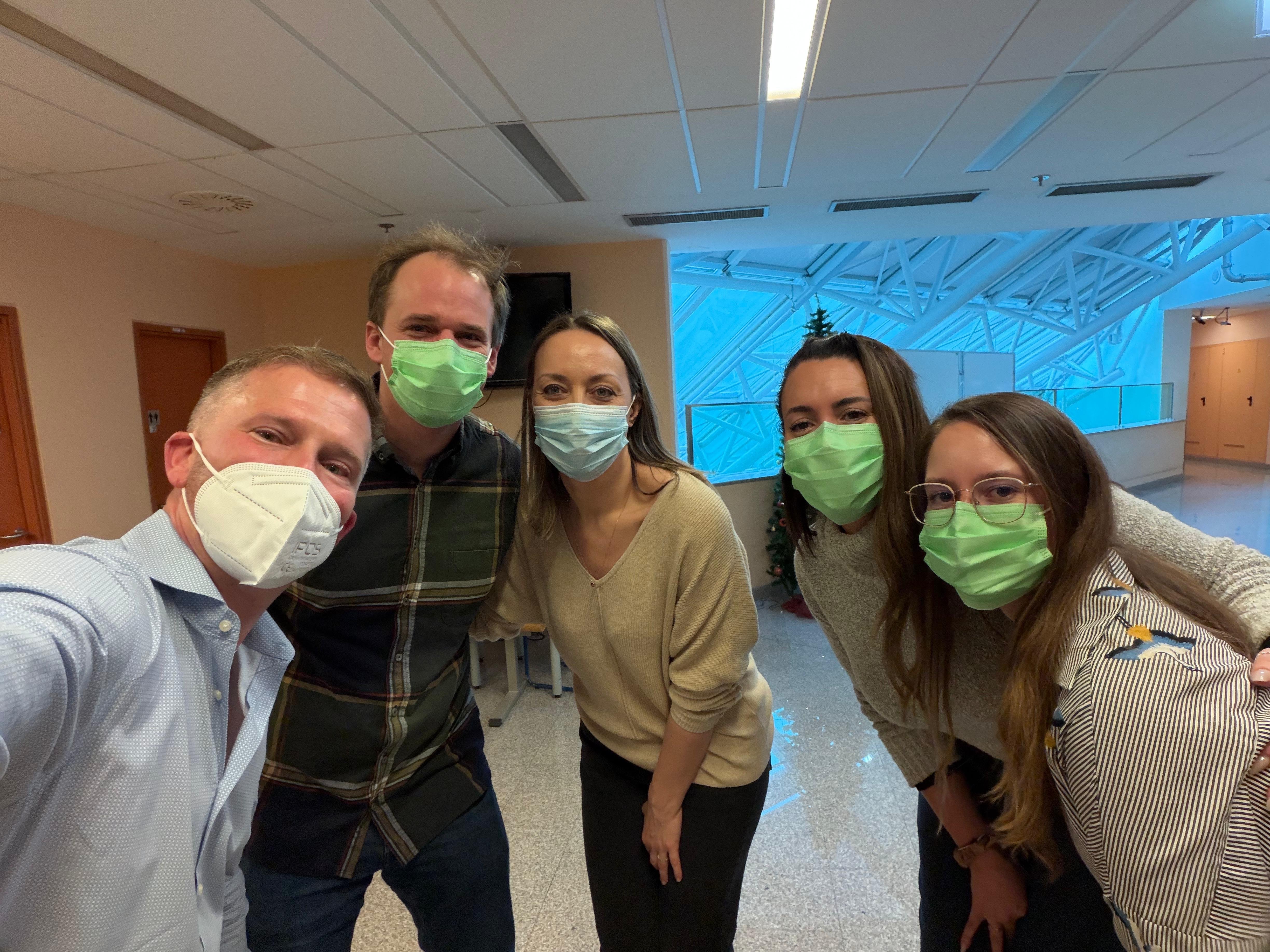
“We acknowledge all our scientific colleagues from across the globe, but particularly in Slovenia, who have come together to test the safety and efficacy of this therapy as critical steps leading to clinical implementation.”
“We hope that this extraordinary community of families, researchers, clinicians, together with support from the members of the society, have shown the world what is possible when everyone works together towards one common goal of making the incurable, curable.’’
Sydney mum Lucy Mort has been working closely with the CTNNB1 Foundation and Professor Lisowski. Her five-year-old son Teddy, who was a face of CMRI’s Jeans for Genes campaign, lives with CTNNB1 syndrome and has never talked or walked unassisted. She said this first trial offers hope that maybe one day Teddy will smile at her and tell her that he loves her.
“We are over the moon to hear the news that the first child has received a gene therapy treatment and that it all started with research right here in Western Sydney by the incredible scientists at Children’s Medical Research Institute,’’ Ms Mort said.
“We are so hopeful for the positive impact this treatment could have on the lives of kids living with CTNNB1 syndrome.
“If it is successful, it is our dream that this treatment will be available to Australian families right here at home.’’
Professor Lisowski said this was a challenging but highly rewarding project. He said it offers hope that, if successful, this treatment could become available to over 400 affected children globally.
“We have learned a lot and have developed and validated a powerful gene therapeutic development and translation pipeline, which can now be used to help children affected by other rare genetic disorders. Thus, while this project directly impacts CTNNB1 families and patients, the long-term impact is significantly larger and can be extended to millions of patients affected by other rare and ultra-rare genetic diseases.
Professor Lisowski paid tribute to Urban’s family who have been pioneers.
“The bravery, determination, and dedication that Špela and her entire family has shown in fighting to give her son Urban, and other CTNNB1 patients, the best possible outcomes in life, has been truly inspiring and has been the motivation for all of us here at Children’s Medical Research Institute to do everything we could to get to this stage.”